
Now that autumn is upon us, many a household will be wondering just when it is they will switch the heating on. Because temperatures have been quite mild, many will have held off, but there will come a time when even the most reluctant will need to turn up the thermostat before they start to shiver.
A major reason for people to be reluctant to turn the heating on is the prospect of higher energy bills. While the awful situation that arose as gas prices soared in the wake of the Russian invasion of Ukraine two years ago is unlikely to be repeated, the cost has gone up, with the Energy Price Cap for the October to December period increasing by ten per cent.
Of course, the £1,717 a year figure quoted is based on certain assumptions, such as a household being an average dual fuel (gas and electric) customer paying on direct debit. The actual amount a home pays may be more or less, depending on a range of factors.
Although elements like household size (and the physical size of the property itself) are factors, there are other reasons for a household ending up with higher or lower bills, which are related to energy efficiency. This is partly about things like insulation, but it is also about the quality and maintenance of your appliances.
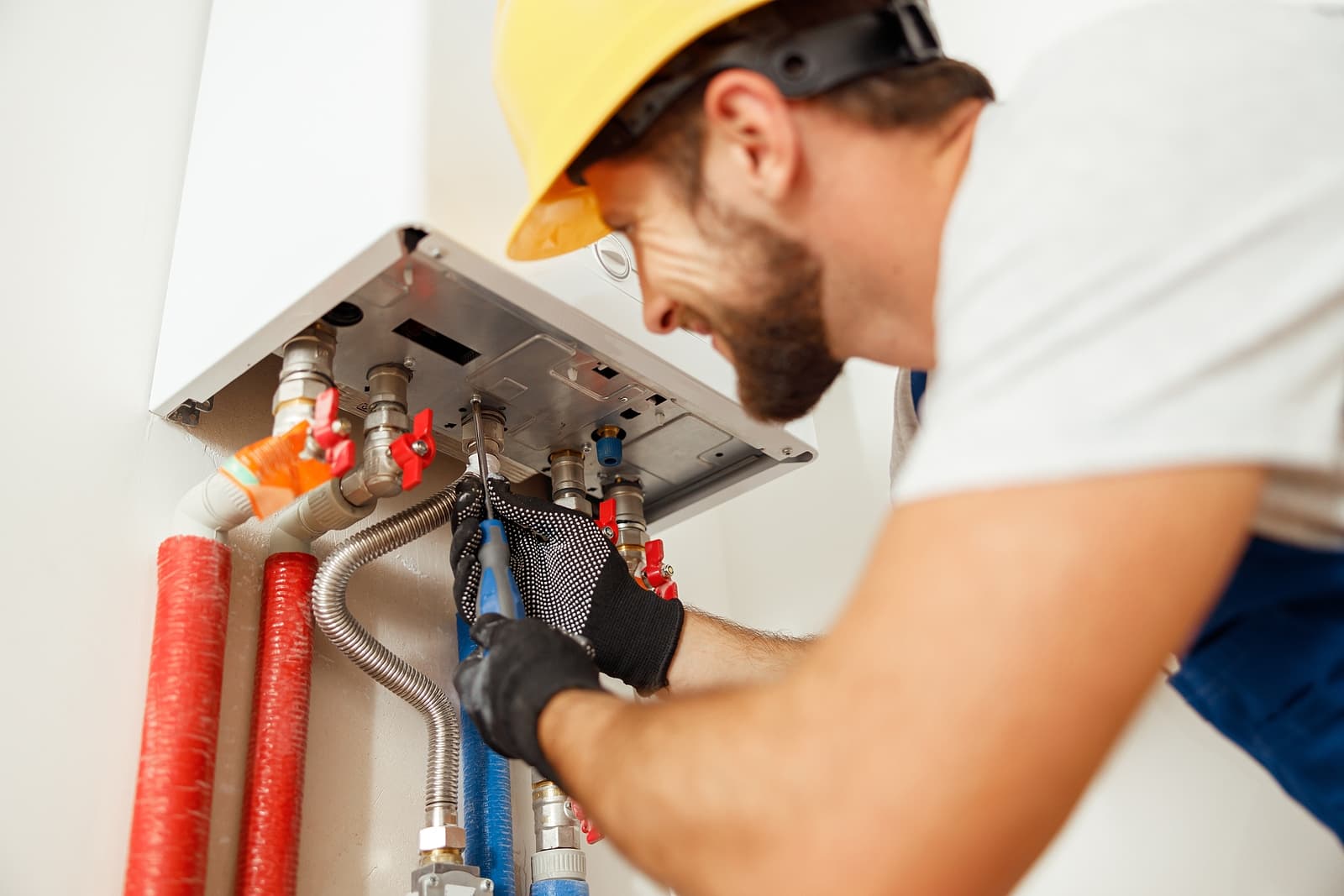
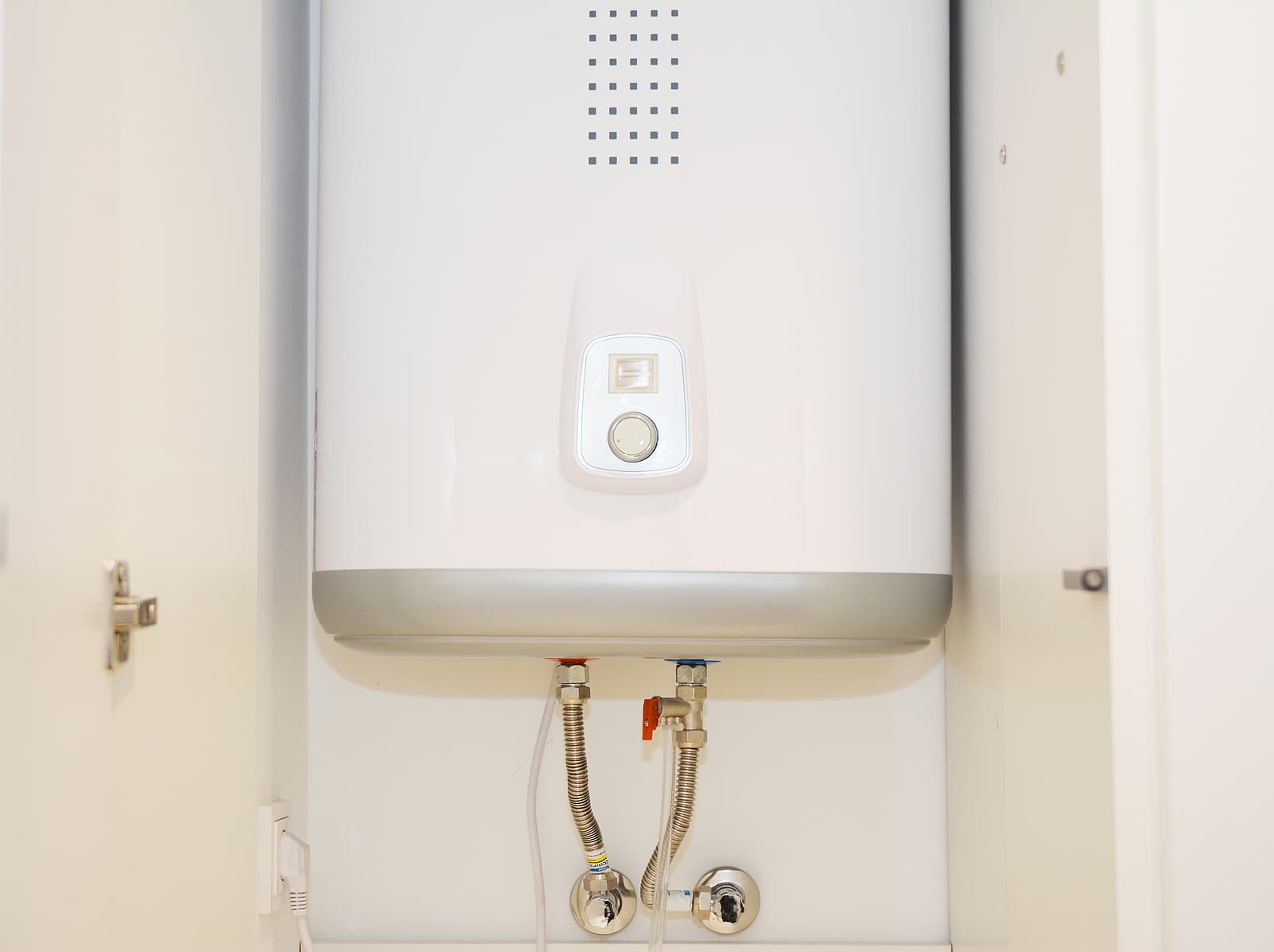
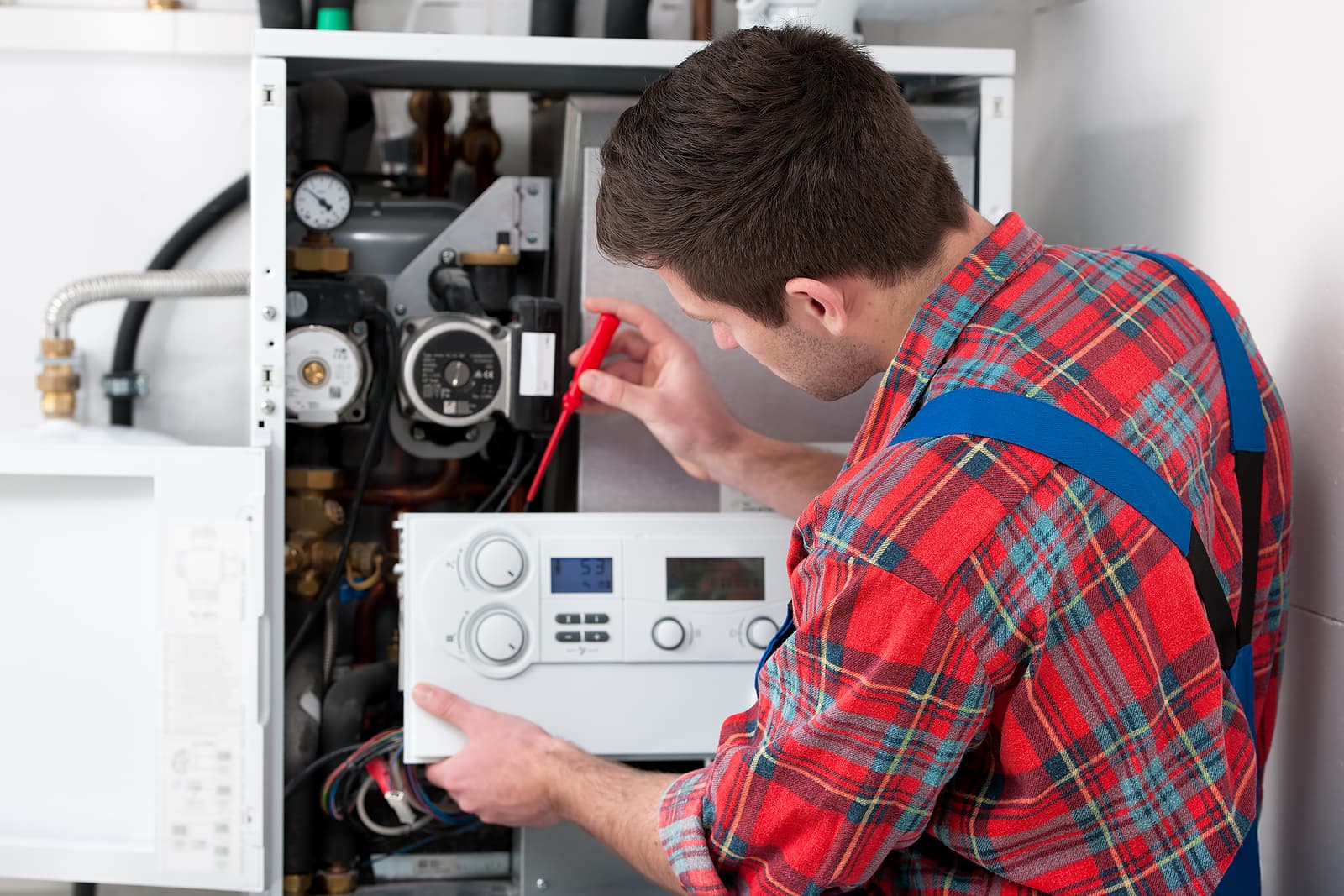
Indeed, if you want to keep energy bills down, getting your boiler serviced now could be one of the most obvious ways to achieve this. By operating effectively and efficiently, the boiler will use less energy to generate the same amount of heat, therefore keeping bills down.
The key here is to understand that it isn’t a case of all-or-nothing with your appliances. If any of them are not working as well as they should, that doesn’t automatically mean they need replacing.
If our engineer comes round and finds this is necessary – for example because your boiler is very old and cannot be restored to optimum performance levels – then that will be the best course of action. But in many cases, some good servicing work can make it as good as new.
Other examples of this can include things you may do yourself. This includes bleeding radiators. This can be done using the small brass key on them, which you can turn to allow trapped air out. When this (and maybe a bit of water) has come out, the appliance will function far more efficiently.
The crucial difference with a radiator is that it is not a gas appliance in itself, but instead radiates heat from the hot water piped into it from your boiler. This makes it safe to bleed. On the other hand, any gas appliance must be left to an accredited engineer.
Indeed, whenever an engineer comes around, you should check they have accreditation to show they are on the Gas Safe register, which they must be by law. Our engineers will be happy to show it.
As well as looking after your appliances and making sure they are in full working order, you should check to ensure you plug draughts, avoid leaving lights on when not necessary (including stand-by lights), and keep windows closed. By doing all this, you can take some important steps towards keeping your bills down this winter.