One of the biggest dilemmas in winter for people who go on holiday, see friends and family or are otherwise away from their homes is what to do about the boiler in their empty house.
It is very well-known at this point that turning off your boiler entirely over the winter leads to a rather extreme case of false economy, as the small amounts of money saved on heating bills by leaving the boiler off are completely offset by potentially requiring a new boiler to be installed.
Frozen boilers are no joke, and whilst in some cases they can be fixed by carefully thawing out the condensate pipe, in other cases it can cause important components in the boiler to seize up or break, leading to rather more extensive repairs in the New Year.
At worst, it can cause leaks that can not only damage your boiler but damage your home.
Of course, leaving the radiators on full blast over the winter is similarly wasteful, so the best solution is to leave the heating on a relatively low setting, but one that is warm enough to avoid the pipes from freezing over.
How Low Is Too Low?
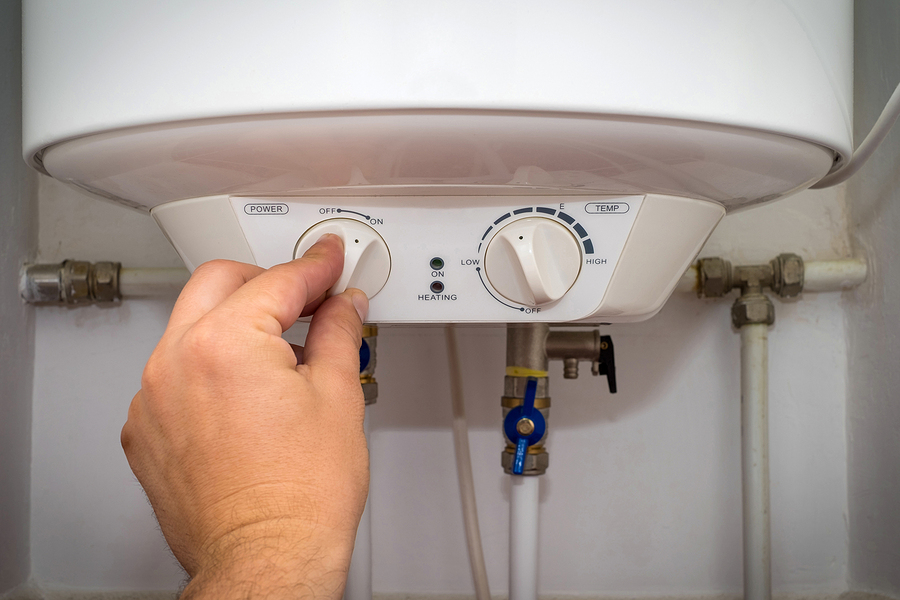
Setting the right temperature can be somewhat tricky, although many modern combi boilers have a specific winter-proofing setting that tends to keep the pipes at a minimum ambient temperature that at least prevents them from frosting over.
The typical default is five degrees Celsius, which for relatively standard winter conditions in relatively mild areas of the country is more than warm enough, but check the likely weather conditions for the time you are set to be away from your home.
If Christmas and/or the New Year are expected to have much colder temperatures, you may need to increase this baseline to 12 degrees Celsius or even potentially as high as 18 degrees if the weather looks particularly treacherous.
It is something that has naturally divided opinion, in a very similar way to the great summer switch-off debate, where some people opt to turn their boilers off completely over the summer months rather than merely leave them on a very low setting.
The most effective way to use your programmable settings in the service of minimising the energy you use as much as possible in an empty house is to make sure that, at the very least, the boilers come on for a few hours at night.
Nighttime temperatures are especially cold and potentially treacherous, which means that the risks of pipes freezing will be at their highest during the coldest part of a winter twilight.
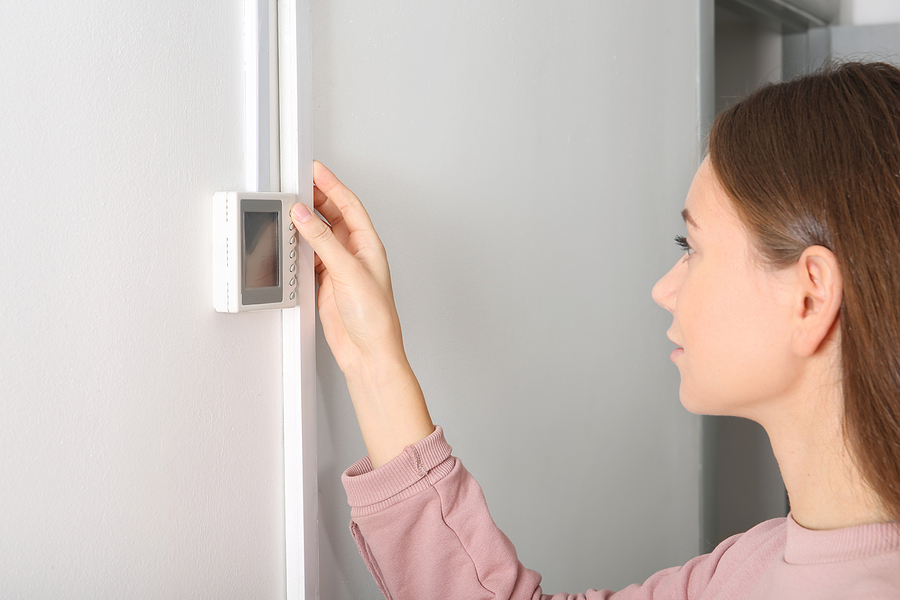
Having the heating turned on for a few hours each day, something that can be programmed using a smart thermostat, will ensure that you do not have any surprise leaks, frozen pipes or unpleasant extra expenses when you return from your holidays.
Check your boiler’s instructions or get in touch with a boiler expert to see how to turn on your boiler’s holiday or anti-freezing mode, and whether such a system is available.
Having the heating on also has the inadvertent benefit of signposting that your home is occupied, meaning that there is a far lower risk of attempted burglary.