If you have a gas boiler powered central heating system, with radiators in the different rooms throughout your home, you may have heard about draining the system. But what does that mean and when do you need to do it?
Let’s start with the basics: what does draining your central heating system mean?
In short, it’s exactly what it sounds like. You are removing the water from your radiators and pipes so that they’re empty.
Why should I drain my central heating system?
The most common reasons to drain your central heating system are to replace a radiator or to repair a leak. However, there are a number of benefits to draining your central heating regularly (every three to four years) regardless of whether there is a pressing need to – like a leaky pipe.
When you drain the system, you will be removing sludge and limescale that builds up inside your radiators and pipes over time. This build up can prevent your heating from working optimally.
Limescale build up is more prevalent in regions that have hard water, which means that the water coming out of your taps has a high mineral content.
So, planning in time to drain your central heating system is a good idea as it will make your radiators more efficient, which will save you energy in the colder months of the year.
How to drain a central heating system
While you can drain your own central heating system, if you are in any doubt about how best to go about this, we strongly recommend calling in heating engineers to help you. They handle this process all the time, have all the equipment required and will ensure that your boiler and central heating is back up and running in no time.
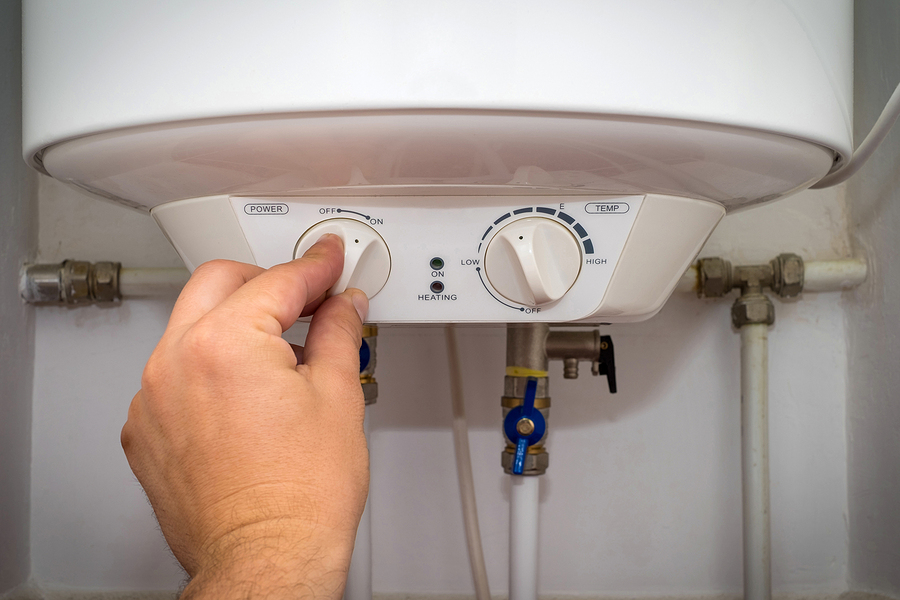
If you want to do this yourself, you need to start by turning off your boiler and heating system. This means it’s often best to do this task during the summer if you can. Give it time to cool down before you do anything else.
The next step is to turn off the water supply using the isolator valve on your boiler. If you have a combi boiler, it’s important to shut off the mains supply using the stop valve.
One radiator in your home will have what’s called a drain-off valve. Connect a length of hosepipe to the valve and make sure the other end of your hose is pointing into a drain! Then work along each of your radiators, opening the bleed valves.
In a house, it’s best to start this process on the upper floors and work down. Only once you’ve opened all the bleed valves on your other radiators do you open the drain-off valve.
Once you’ve emptied the system, close all the bleed valves, leaving the drain-off valve till last. Then you need to reopen the isolation valve on your boiler to allow water to flow back in and refill the system.
You can also bleed individual radiators in your home at any time to remove any air pockets that might form and affect the performance of just one radiator, rather than your whole system.