
In ideal circumstances, households get a new boiler fitted in the summer months when they don’t have to worry about going without heating or hot food while it is fitted and engineers are easily available to do the job. However, it often happens in very different circumstances.
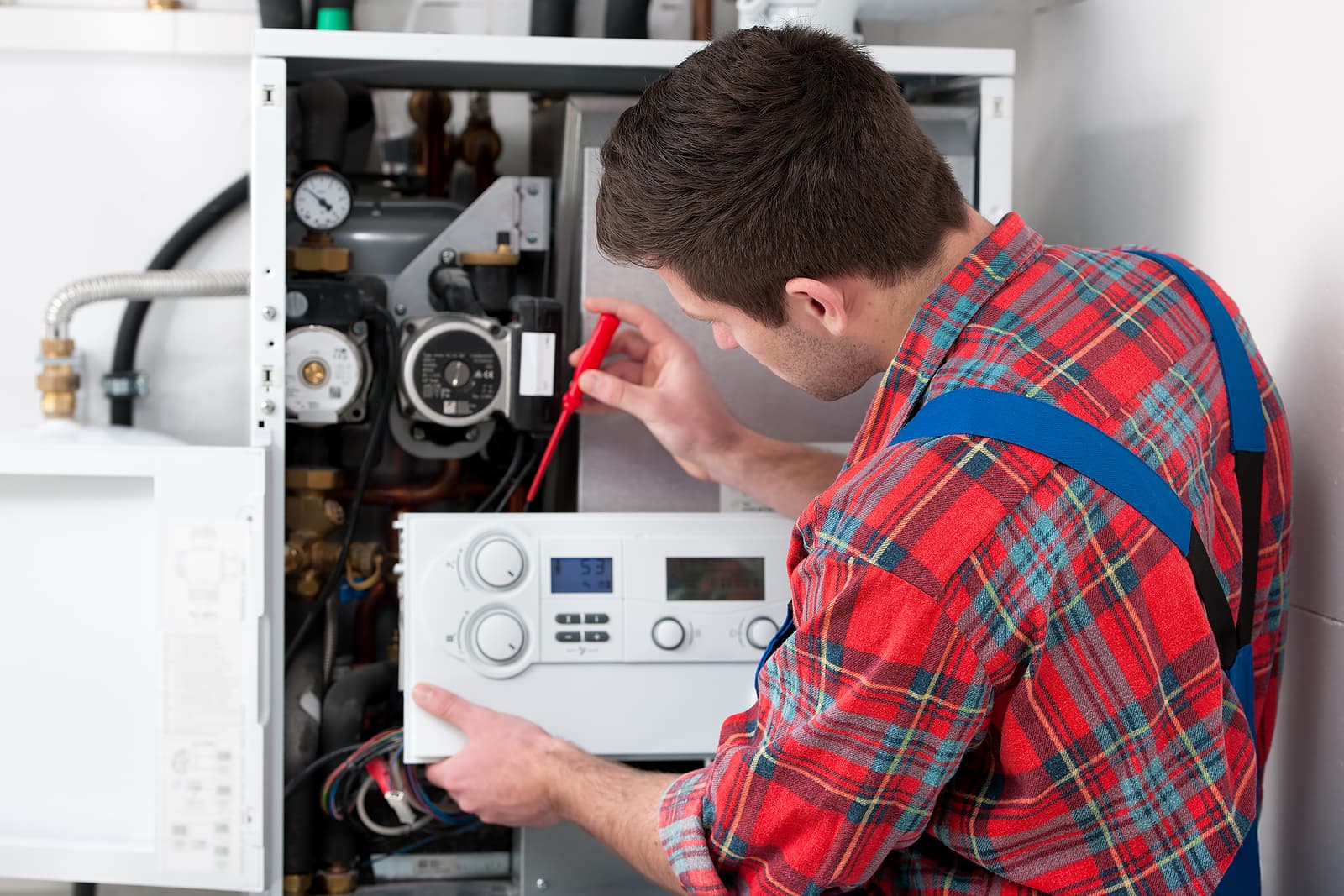
Every winter, our engineers have to deal with many emergency call-outs as boilers malfunction or give up the ghost entirely, meaning that households are left without heating or hot water at the very time when they need it most. If fixing and servicing a boiler takes some time, getting an entirely new one fitted takes much longer.
However, it is very rare for a boiler to be working perfectly one minute and then suddenly stop. Normally, there is a clear decline in performance and it may produce various signs to show that it is not working properly.
These can provide you with an early warning that it is failing and be your signal to get an engineer in to service the boiler. They can also confirm if it needs replacing. By doing this, even in late autumn or winter, you can at least book an appointment for a replacement and avoid having to make sudden arrangements in an emergency.
What Are The Indicators That A Boiler Needs To Be Replaced?
With winter approaching fast, now is a good time to look out for the following indicators that your boiler is not working properly:
· It takes longer to heat up – this may be a sign that it is no longer functioning, although it may just need an engineer to flush it out, the same way a radiator occasionally needs bleeding.
· It smells bad – This is a very significant sign, as it could indicate a carbon monoxide leak. This gas is very dangerous and you should call out an engineer quickly.
· Rising energy bills – This is not just because of cost inflation, but reduced efficiency, which suggests the boiler is damaged or may be coming to the end of its working life.
· Leaks – This may suggest parts are starting to fall apart and any seeping water inside could make parts rust.
· Unusual sounds – Now Halloween has passed, anything going bump in the night, or clunk or whirr or bang, for that matter, could be a sign that something isn’t working.
All of the above are clear signs of problems and these red flags should be your cue to call out an engineer and get ready for a likely boiler replacement.
How Long Do Boilers Last?
Apart from these, another reason you should replace your boiler is age. They tend to last no more than 10-15 years and, like humans, they start to function less effectively as they get older before they shuffle off their mechanical coil. Age alone is a good reason to get a new boiler, as you should soon find the new one works far more effectively.
It might seem like a good idea to try to get through one last winter with a creaking boiler before replacing it in the spring when it is warm again. But if it is showing signs of failing, you should get it changed now, before it breaks down completely in the middle of the coldest and darkest time of the year.