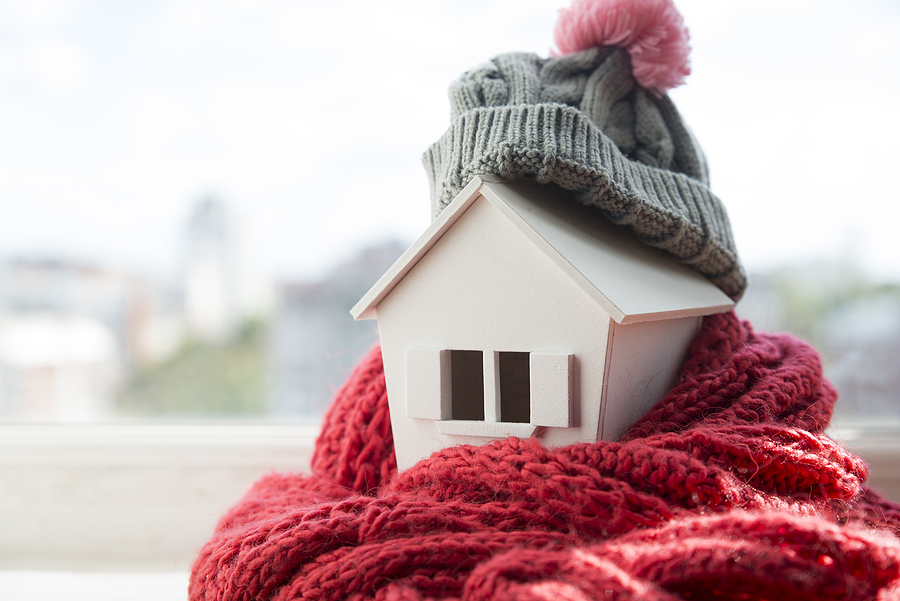
With summer a fading memory, the golden leaves of autumn all around and winter approaching, many householders will be at that point where they are wondering just when to turn the heating on full.
Nobody wants to feel cold, of course, but equally, few things send a chill down the spine like a large energy bill. Moreover, with the Energy Price Cap being increased by ten per cent at the start of October, householders are being squeezed even before the colder temperatures and shorter daylight hours force increased energy use.
However, there are several things you can do to limit the amount of energy you use in the autumn and winter months and keep bills down.
Half the equation is about major steps you can take to create greater energy efficiency in appliances and your home, while the other half is about a series of smaller steps you can take, each of which have a marginal impact on their own but are all ‘one per cent’ things that add up.
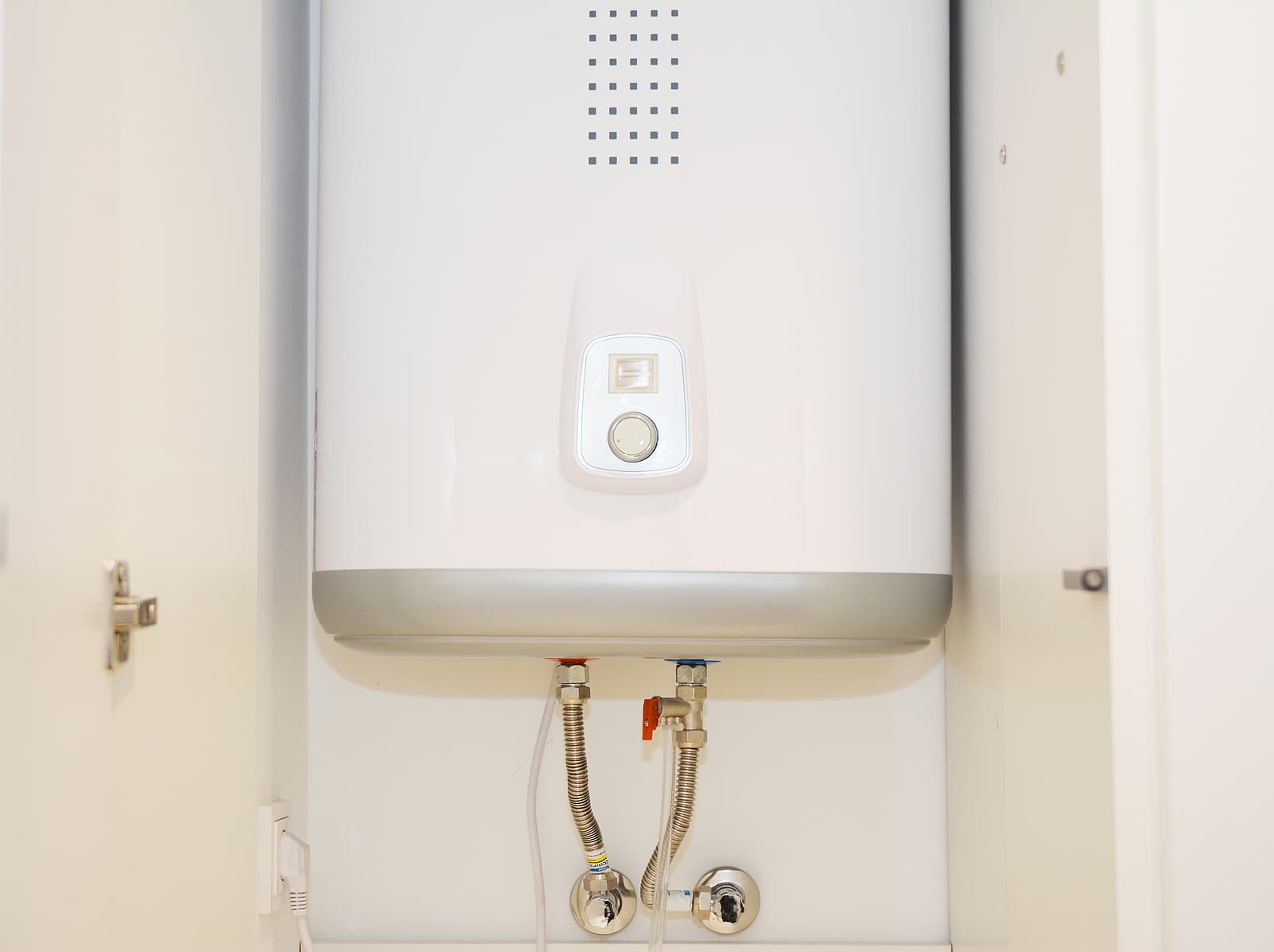
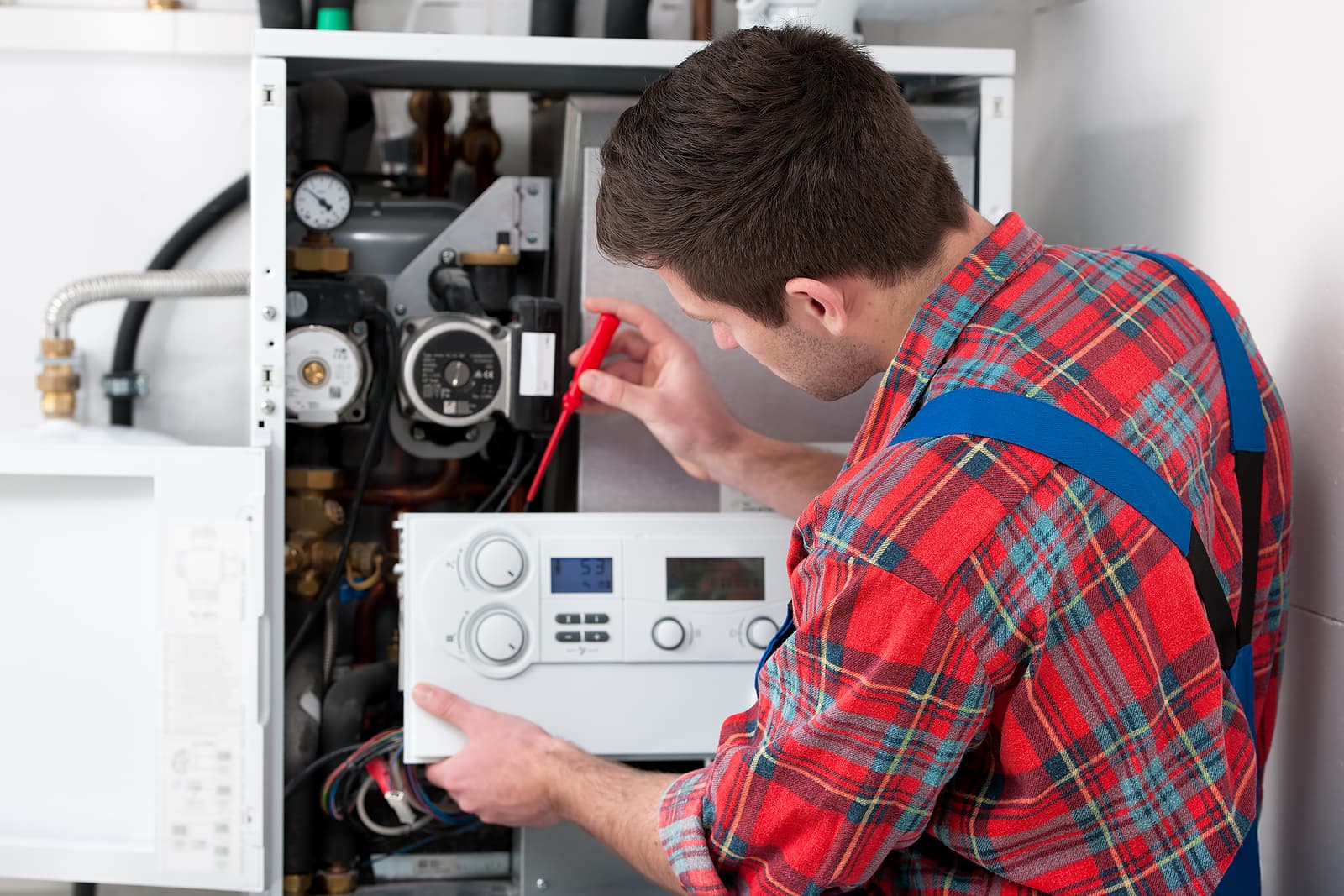
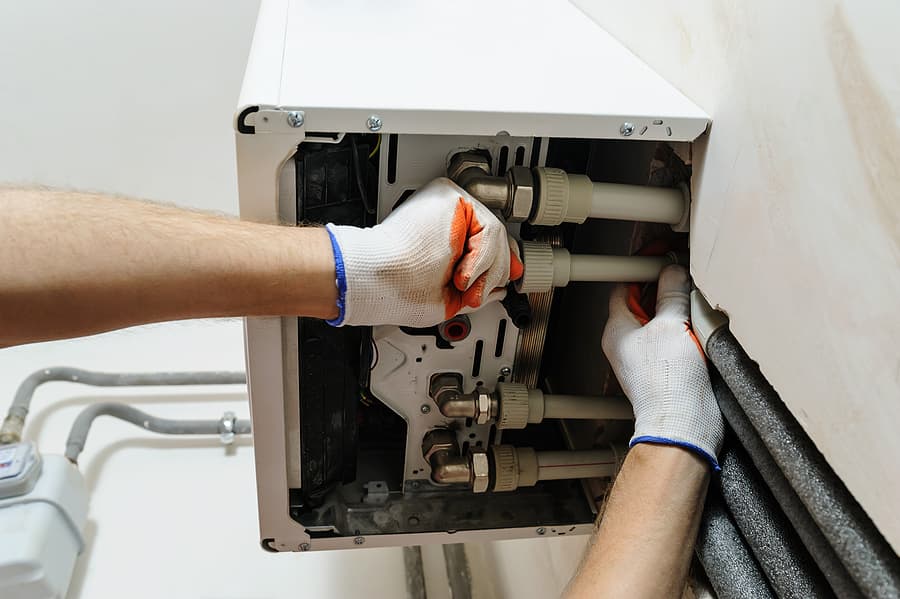
Boiler repairs come into the first category. Quite simply, nothing is going to make a bigger difference than a boiler that works more efficiently, using less energy to generate the same amount of heat.
Ideally, repairs should be done well before the cold weather arrives so you don’t have to endure the cold when the work is being done, while engineers are more readily available in the summer months when they don’t have lots of emergency call-outs.
However, although this ideal time for repairs has passed, you should still get the work done on your boiler if it needs it, so that you don’t go into winter with a costly and inefficient boiler. After all, if it is not working well, that could be a sign that it may break down altogether.
Signs that your boiler may not be working well include a bad smell, leaks, strange noises and the simple fact that radiators take longer to heat up.
Other major steps you can take include better insulation for your home, although this is a major undertaking that can have a larger upfront cost.
Minor steps you can take are numerous but effective. One of these is to keep windows closed whenever possible, notwithstanding the need to allow a bit of steam out after a hot bath or shower to prevent excess damp and condensation.
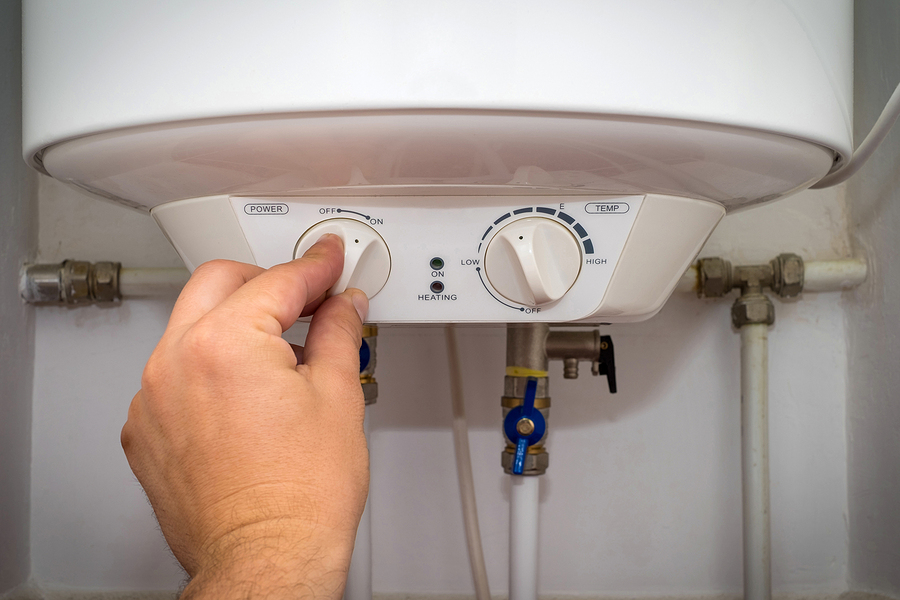
Another is to turn the thermostat down when it is unseasonably warm. We have all read and heard so much about climate change, but while it may have some negative consequences, an unusually warm day when you can turn the heating down is a plus.
Bleeding radiators is another simple but smart measure, as this clears excess gas out of them and makes them much more efficient in generating heat.
These measures can ensure you don’t waste energy on your gas appliances and can be combined with steps to reduce electricity use, such as not leaving lights on in empty rooms and turning off standby lights, to keep your bills down.
This combination of big and small measures should ensure you stay warm this autumn and winter and don’t freeze when you see your energy bills.