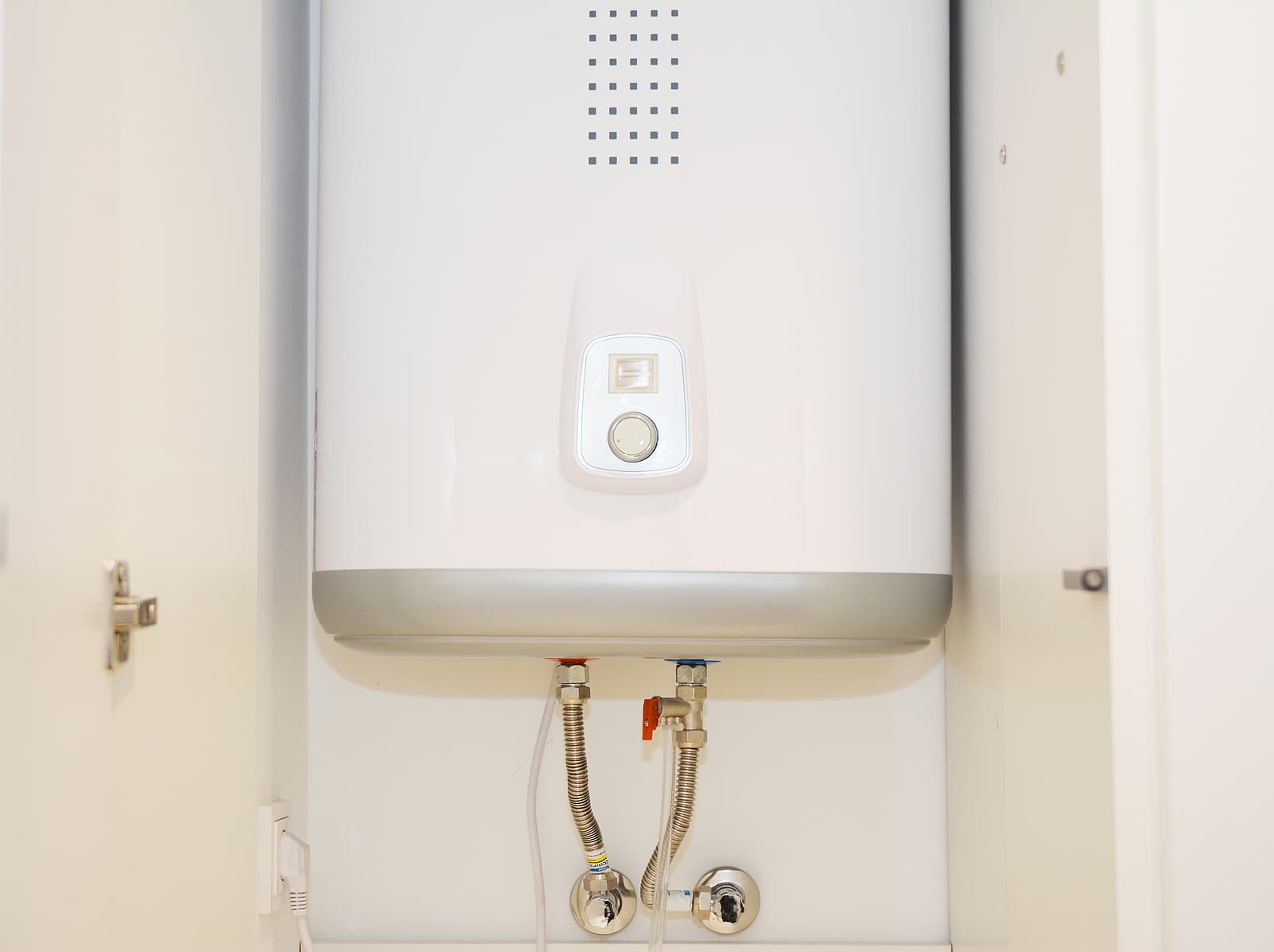

It is perhaps not surprising that over the summer one of the last thoughts on so many people’s minds are their boilers.
Given that many people are thinking about their sunny holiday destinations, and even if they are not travelling too far away, the weather even in Guildford is warmer than it is the rest of the year, so central heating typically is not required.
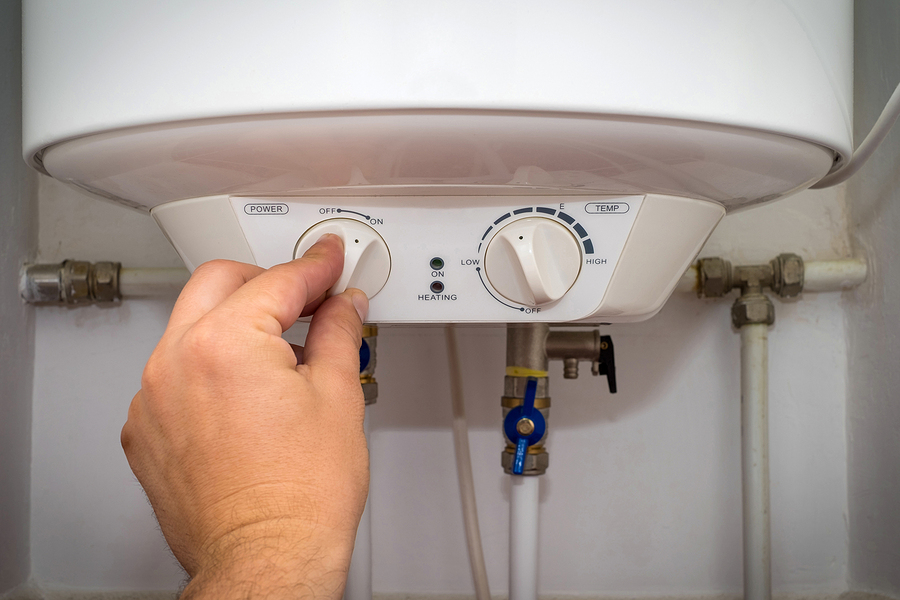
This has led to a perceived wisdom that homeowners should switch their boilers off entirely during the summer months, only turning them back on in September as autumn starts to bite.
This is not always the case, however, and depending on your boiler, it can potentially be a costly problem in the long term unless you are planning to have a new boiler installed regardless.
A Logical Mistake
The logic behind switching your boiler off during the warmer months and especially whilst you are away on holiday is fairly self-evident.
You do not need central heating and need far less hot water during hot days, so you do not need to waste money heating water that at best you don’t need or at worst makes your home less comfortable.
This is not entirly untrue, especially for older boilers where they are either on or not, without the capacity to adjust settings or only heat the home at certain points of the day.
However, a lot of modern boilers have smart thermostat systems installed, and others are combination boilers, which will not get any of the benefits of turning off the heat but will receive a lot of the same drawbacks.
There are a few major problems with turning your boiler off and on regularly, and it could prove to be much costlier in the long run.
Whilst the exact energy expenditure of firing up a boiler will inevitably vary depending on the boiler model, its age and the condition of your central heating system, it tends to take a lot more energy to start up a boiler than to keep it running on a low setting or in hot-water only mode if your boiler supports it.
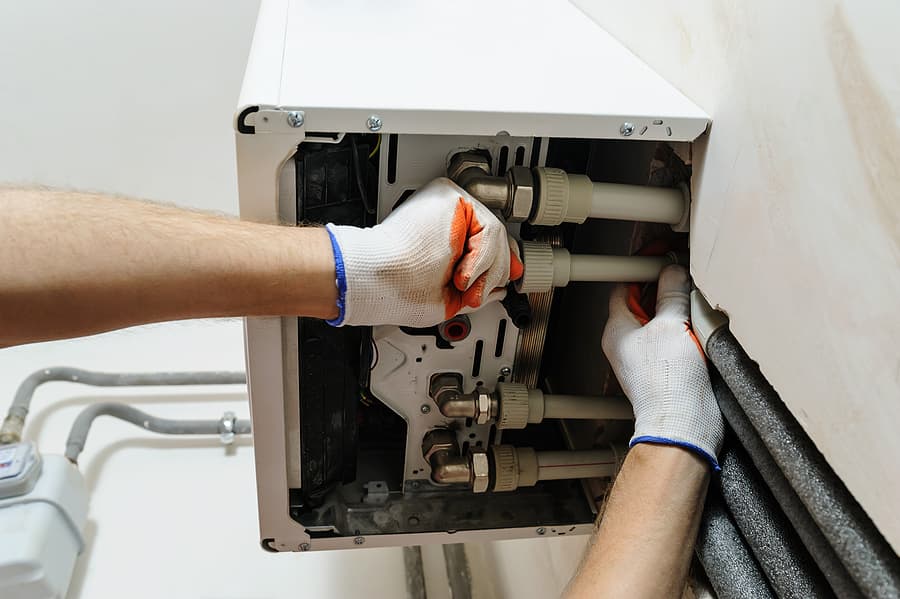
Worse than this, boilers are made up of a complex series of parts and components that may potentially be damaged or could seize up. The pump and valves, in particular, are at risk of being damaged, which could cause huge problems for your central heating.
The cost of repairs and potentially even full replacements would naturally offset any gains that would come from switching off the boiler and could be made worse if you need an emergency callout during a busier period.
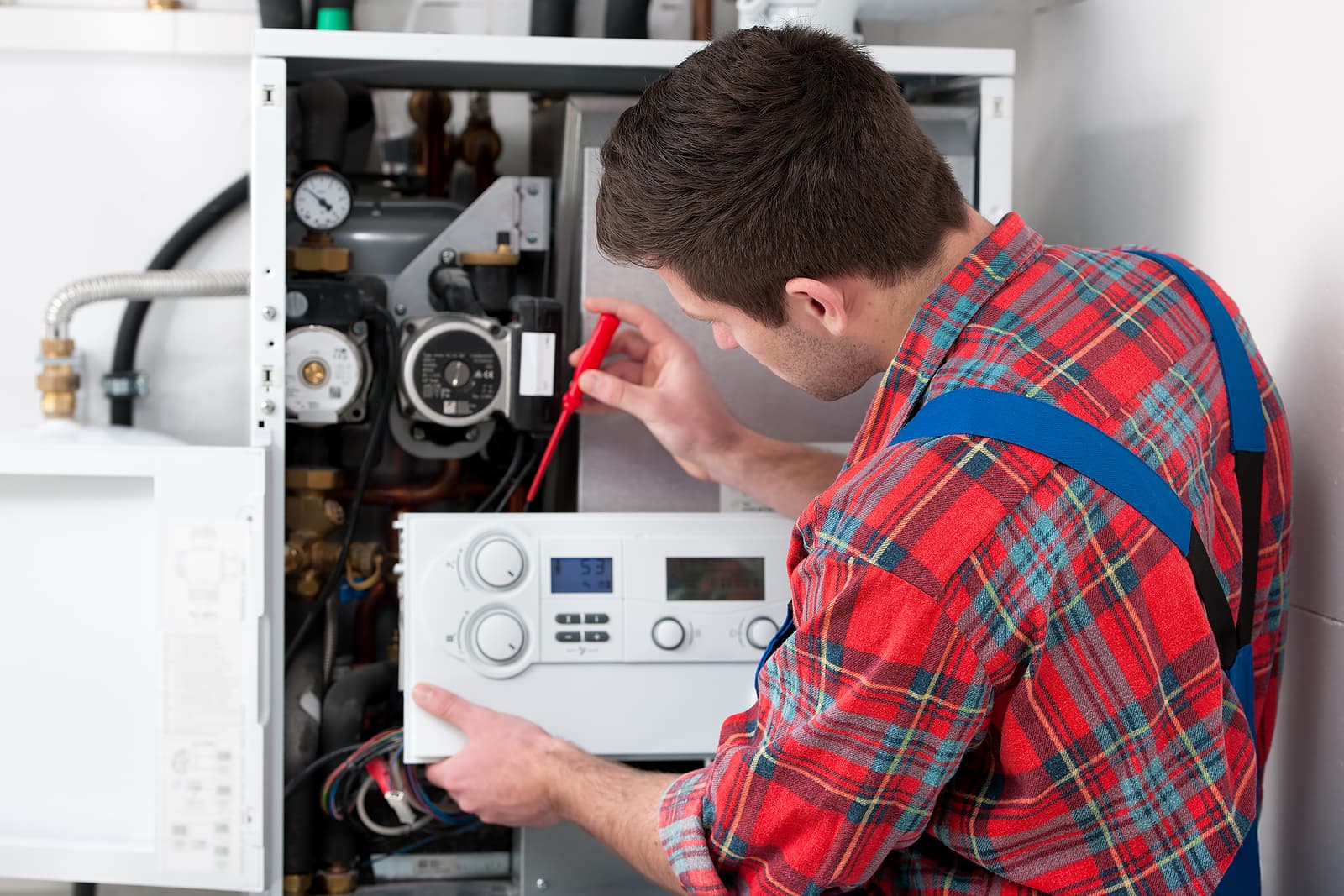
Booking a boiler service before you turn your boiler off could help identify issues and give you an expert to ask about whether you would see any benefits in terms of lower bills or less strain on the system.
For example, if you have a combi boiler, the benefits of switching it off are essentially nonexistent, as a combi boiler only turns on when hot water is needed and therefore can be managed entirely through a smart thermostat.