
Mercifully, the cold weather that dominates the start of the year begins to dissipate throughout April and May, paving the way for a delightful and relaxing summer of warm weather, holidays, and not having to think about your boiler.
This is typically the best time to book boiler checks, schedule the installation of a new boiler and sort out more intensive procedures such as power flushing, as you do not need your boiler for a while, and it will not leave you in the cold.
It also gives you a chance to talk to a Gas Safe registered engineer, and one of the most common questions they tend to ask during the spring is whether they should just turn off their boiler entirely.
There is a common-sense argument to be had that it can save money and lower the strain on your boiler, but does this match reality? Here are the cases for and against.
Why Should You Turn Your Boiler Off Over Summer?
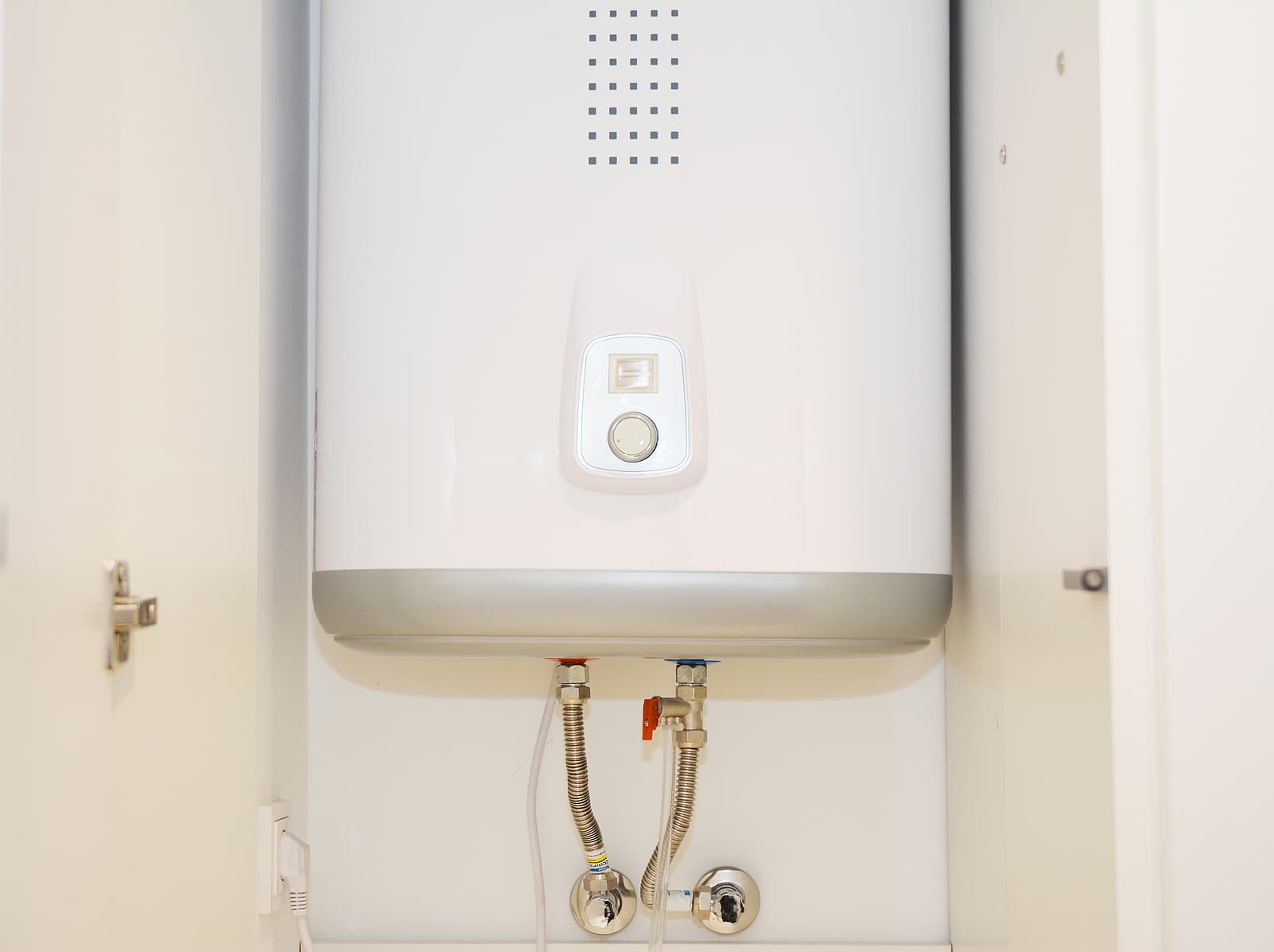
Depending on your type of boiler, some boilers will use energy and heat up water even if it is not necessarily being used. These are usually boilers which heat up a hot-water cylinder, which in turn distributes water through your radiators and hot water taps.
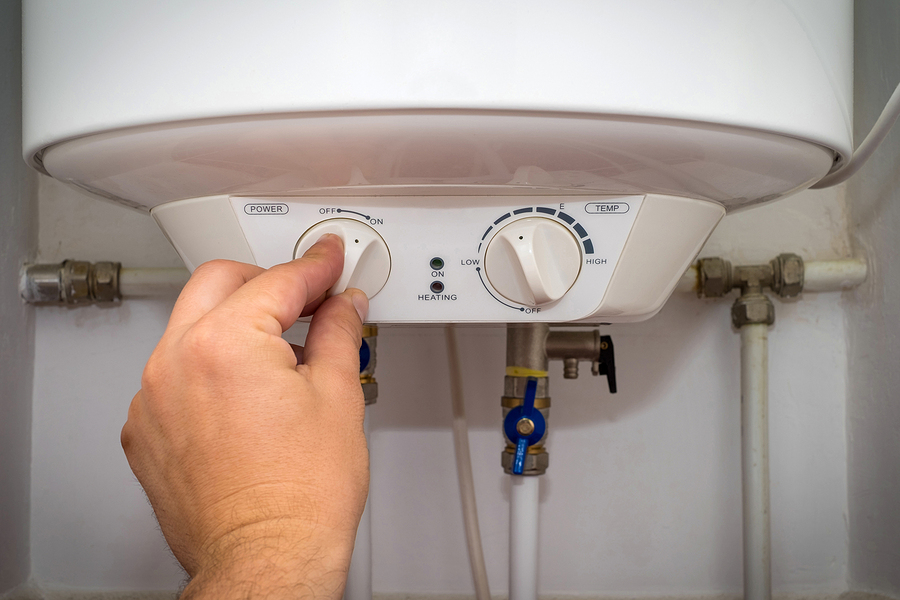
They tend to be easy to turn off, and it is often advisable to save money by turning them off if you only need small amounts of hot water over the summer months.
Many of the appliances we use for hot water, such as showers, kettles, washing machines and dishwashers, heat water separately from the boiler, which means that you will typically not be missing out if you turn it off.
Unless you take a lot of baths, if you have a system boiler with a hot water cylinder, it can be safe to turn it off, although you should always talk to a boiler engineer before doing so.
Why Should You Keep Your Boiler On Over Summer?
Modern boilers are designed with smart thermostats, which will automatically adjust how hot they are based on the temperature required and the demand for hot water. This makes turning a boiler off not only unnecessary but also potentially counterproductive.
Boiler systems need to be constantly moving, with components, seals and mechanisms that rely on the constant flow of water in order to function correctly. Leaving a boiler off for a considerable amount of time can cause your boiler to seize up dramatically.
Ironically, the common-sense idea that a boiler that is not in use is not dealing with wear and tear is exactly what causes boiler issues and makes turning off a boiler ill-advised.
Alongside this, many modern boilers get no benefit from being switched off at all, as they tend to run on low-power modes over the summer.
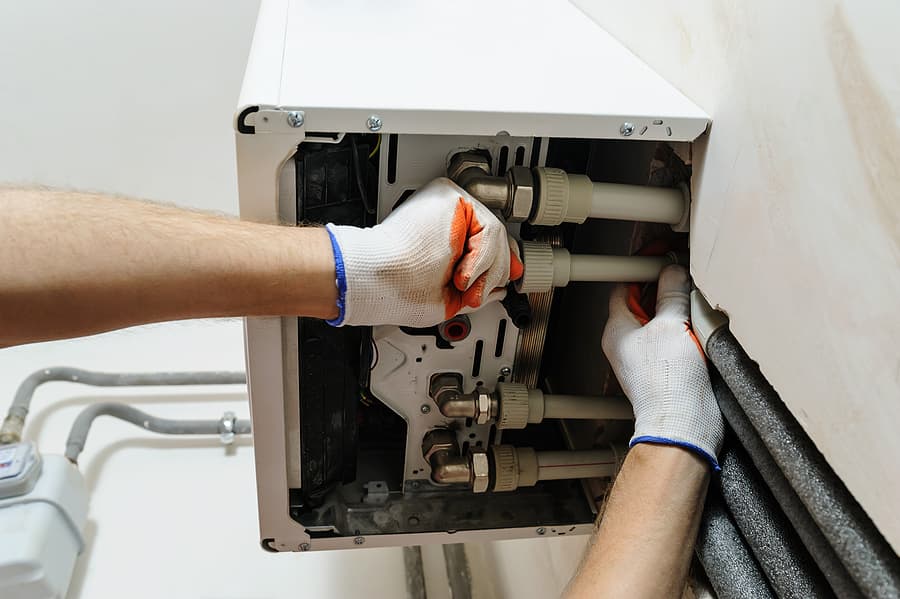
Combi boilers, one of the most common types of boiler for relatively small homes, do not benefit from being turned off at all, and turning them off for more than a week or two can cause components to break and costly repairs over the autumn and winter.