Following a particularly warm start to autumn, the temperature drop has felt even more sudden and dramatic than usual in late October and early November.
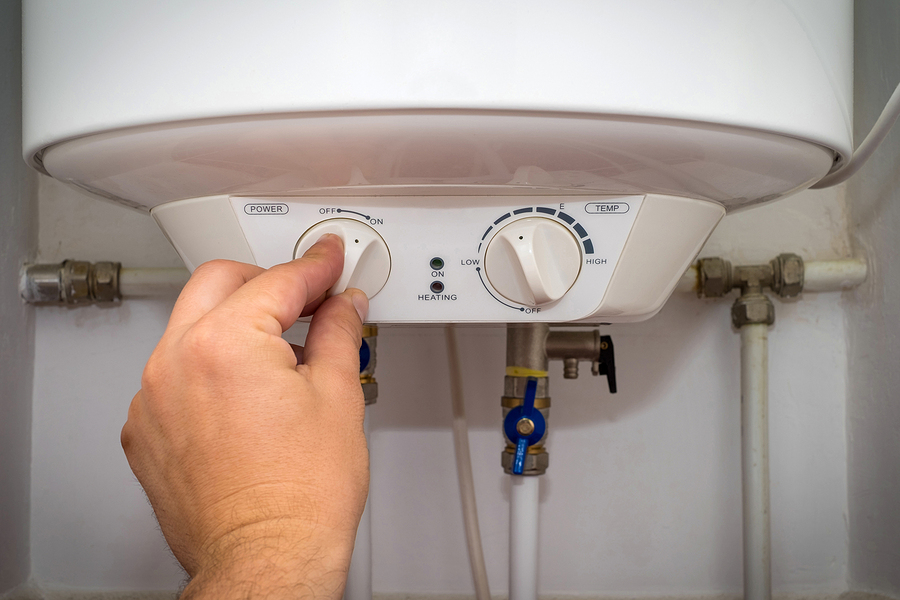
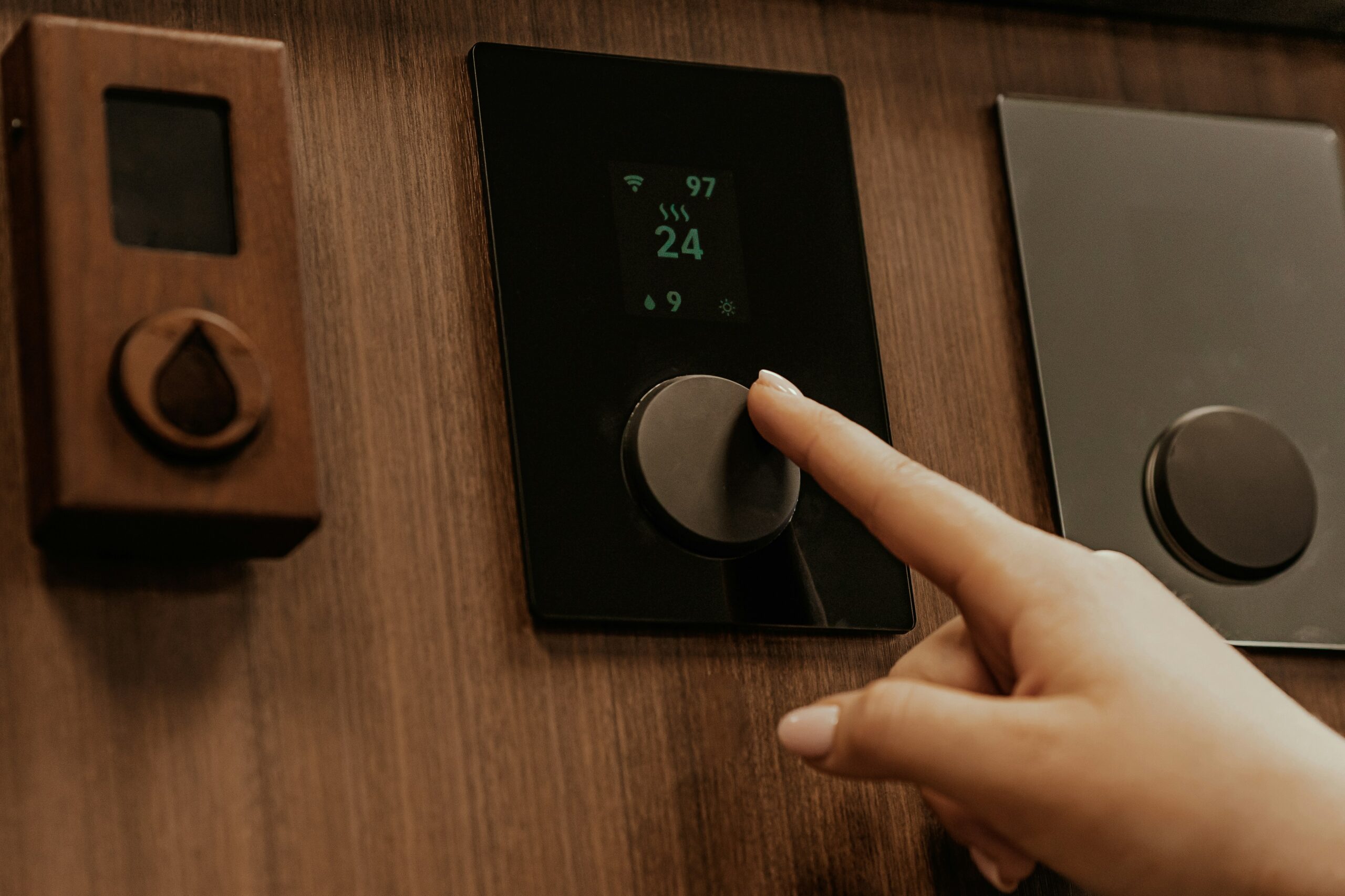
This is typically the point when many people will start to turn on their boilers again or adjust their smart thermostat settings to meet the season and ensure that warm radiators help keep the home warm.
This is not only important to keep warm and to avoid cold-weather issues such as damp and mildew, but it also prevents winter illnesses from causing significant harm.
The best way to avoid a nasty surprise and require an emergency boiler installation is to prepare in advance, and with that in mind, here are some of the steps you can take now to keep your home warm, reduce the strain on your boiler and reduce your heating costs this winter.
Give Your Heating System Space
Radiators need room to work, and the trend of placing heavy furniture as close to the walls as possible can cause serious problems, reduce the efficiency of your heating system and even potentially damage your upholstery.
Ultimately, it is one of the most common reasons why your heating system may be struggling to heat certain rooms, as well as probably one of the easiest to fix.
Instead, try to frame your room around the radiator, similarly to how rooms used to be shaped around the fireplace.
Bleed Your Radiators
Over time, particularly when left unused, radiators can often get air trapped in them, which can stop hot water circulating and lead to characteristic pockets of cold in your heating system.
Removing this is a matter of bleeding your radiators, a job that most people can do as long as they have a suitable bleed key and make sure the heating system is turned off first.
Once the air is released, the system may need repressurising, but it will run more efficiently and the home will stay warmer for longer.
Heat Only The Rooms You Use
Zonal heating is a relatively new concept made possible through more advanced smart heaters, but it makes sense to avoid wasting energy warming up rooms that remain empty for most of the winter.
If you have a smart thermostat that supports thermal heating, schedule the heat to come on only in the rooms you use around the times you expect to use them, whilst leaving the rest on an anti-freeze mode to protect your pipes.
Other than that, you can often adjust your radiators manually to reduce the amount of heat they distribute. The radiator dial can be adjusted to deliver the heat you want directly.
Check Your Insulation
Keeping your home free from draughts and properly insulated is key to lowering your heating bills, reducing strain on your boiler and stopping any pipes from bursting during particularly cold snaps.
Focus on the pipes in the coldest areas of your home and ensure the insulation is fit for purpose, whilst using rugs, thick curtains and draught excluders to stop heat escaping out of the window and door frames.