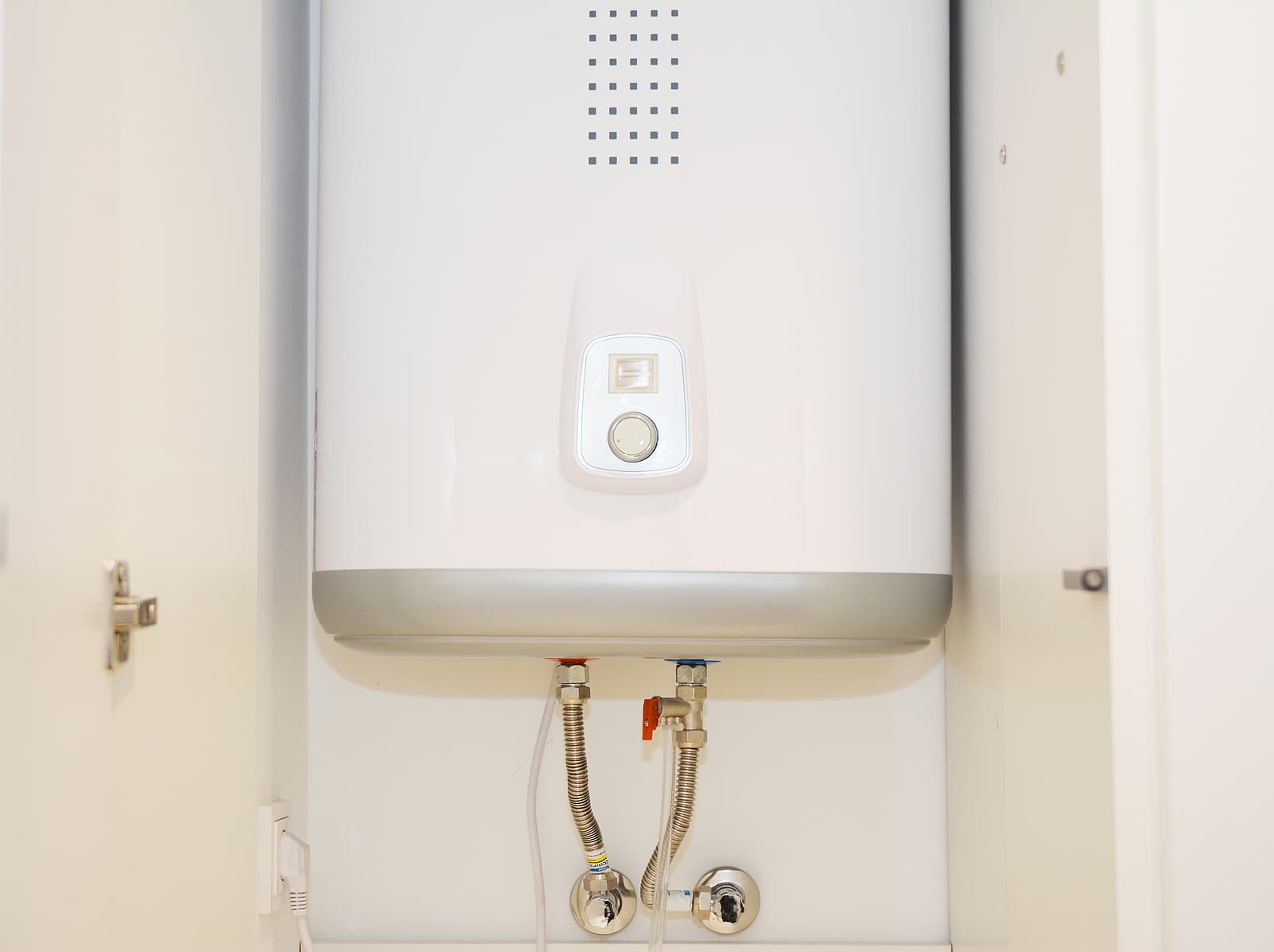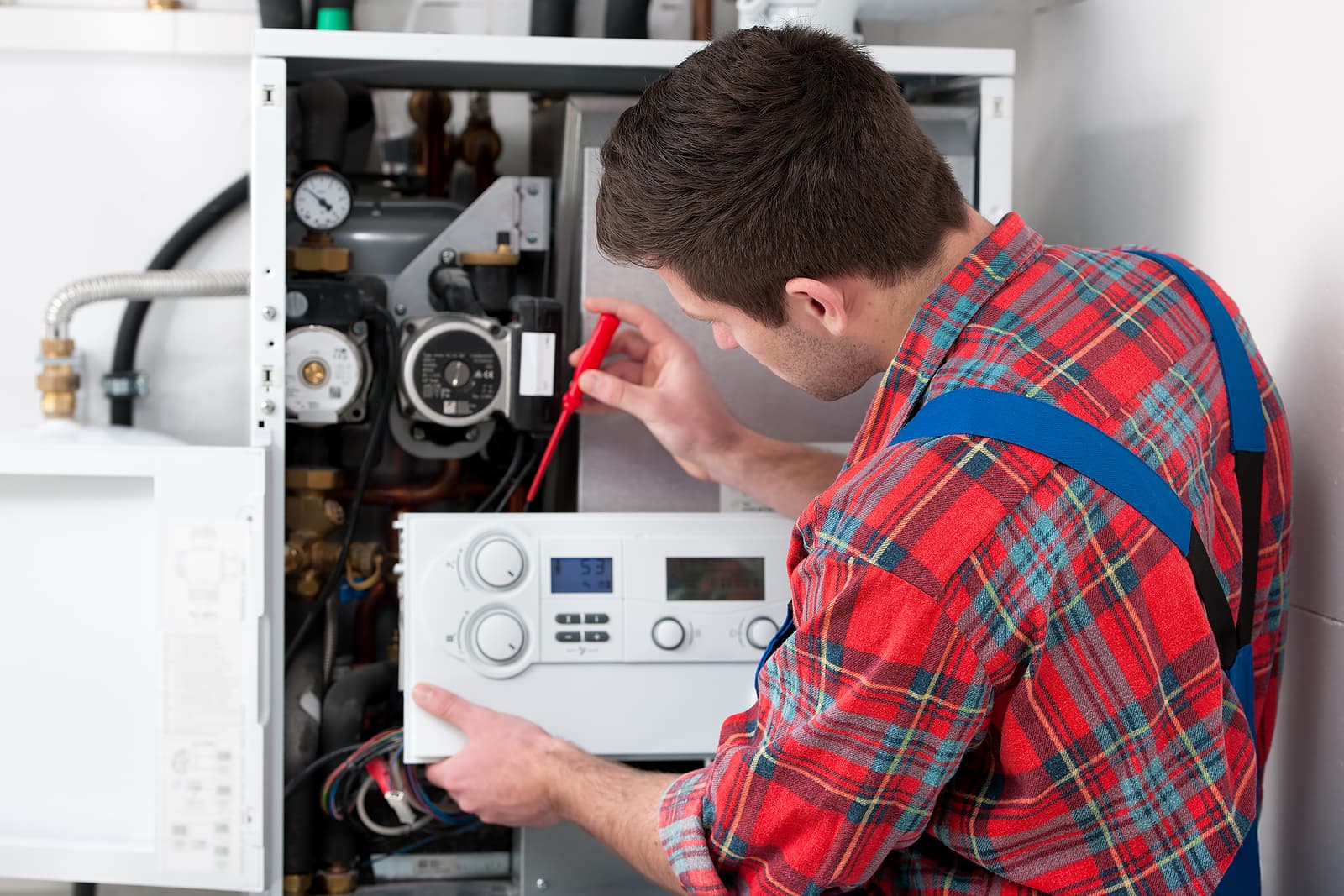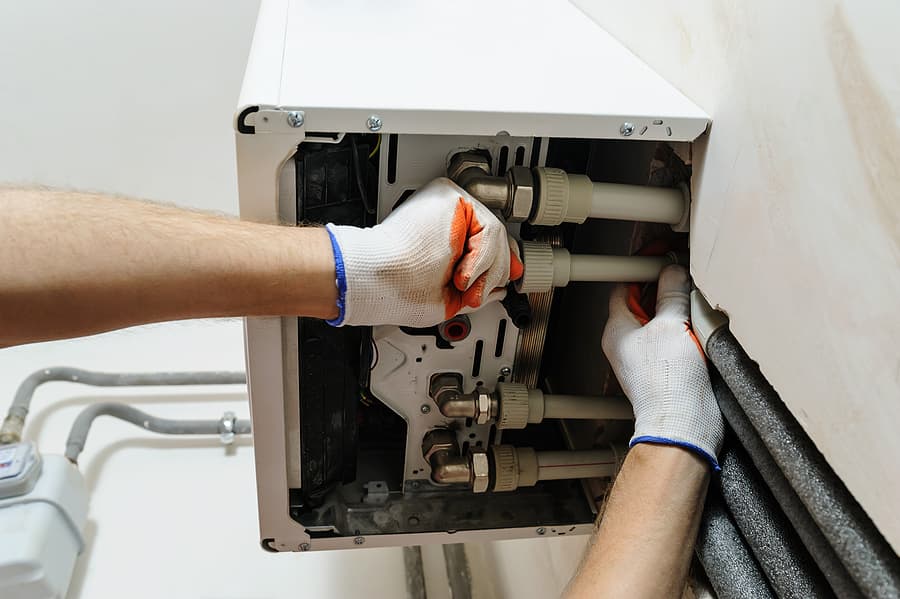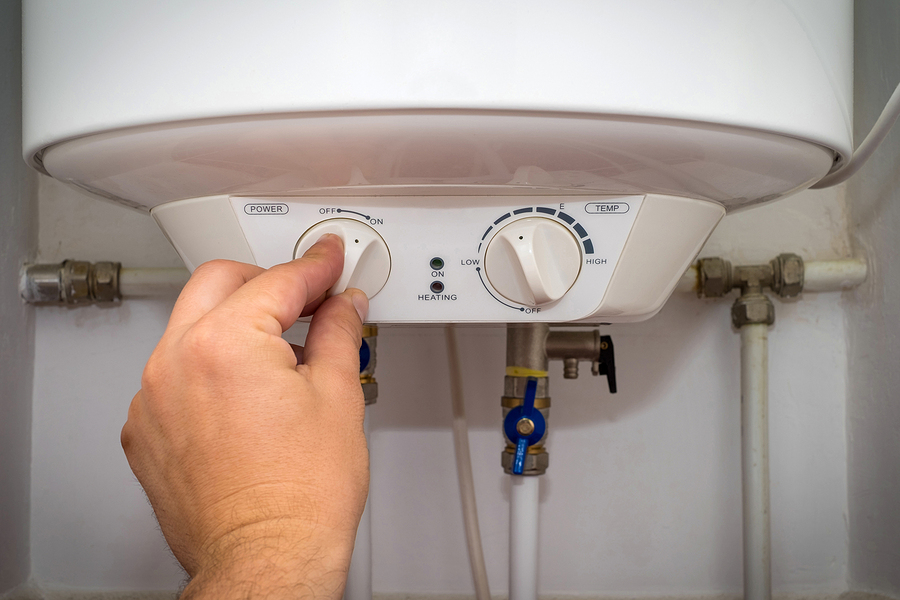

Despite the romanticisation of old machinery, there are no appliances immune to the ravages of time, and eventually, every boiler will reach a tipping point where it will be far cheaper and easier to replace with a better model than to continue to repair it.
A gas engineer will typically be the first to make the suggestion when they come to service or repair your boiler, and given that the process can take just a few hours over the summer to make a like-for-like replacement, it can be tempting to upgrade.
Outside of a complete boiler failure, here are some telltale signs that it might be time to consider a replacement.
Repair Costs Break The Half-Price Threshold
Over time, older boilers cost more to fix, because they will require more frequent repairs, more substantial work, or these fixes will cost more.
All of these elements can add up, particularly since as a boiler gets older it becomes harder to find suitable spare parts.
A good rule of thumb is the half-price threshold; if the cost to repair a boiler is close to or more than half the price of a new one, then replacing it will save you a lot of money in the long run.
Noticeably Higher Energy Bills
Boiler efficiency is not the only reason why energy bills increase, but it is a universally acknowledged truth that new boilers are more efficient than older ones.
Old components wear out, whilst new boilers need to meet increasingly stringent efficiency standards.
If you notice a stark increase in your energy bills or gas usage, then it could be worth replacing your boiler.
There Is Never Enough Hot Water
There is no reason to put up with issues with your hot water supply, and if your boiler is not providing enough water for washing dishes, baths or showers, that can be a sign of a fundamental issue with your boiler.
Whether a component has broken or it is simply no longer fit for purpose, it will not only improve your quality of life to have a new boiler but could potentially save you money as a boiler that is straining is often also inefficient and wasteful.
Similarly, if radiators seem to take a very long time to heat up or are particularly inconsistent, this could also be caused by an ageing radiator that is no longer able to adequately heat your home, something that could become a significant issue during particularly cold winters.
Loud Or Unusual Noises
Typically, boilers should only make a relatively low hum when in operation, and newer boilers are typically significantly quieter than older models.
Whilst particularly strange noises such as whistles, clunks, gurgles and bangs will typically lead to a callout, if a boiler seems to be consistently loud it could be a sign that it is starting to strain and struggle.
As with any concerns you have, the first person to get in touch with will be a local boiler engineer, as they can diagnose if there is a problem and make recommendations if they think a replacement would be a good idea.