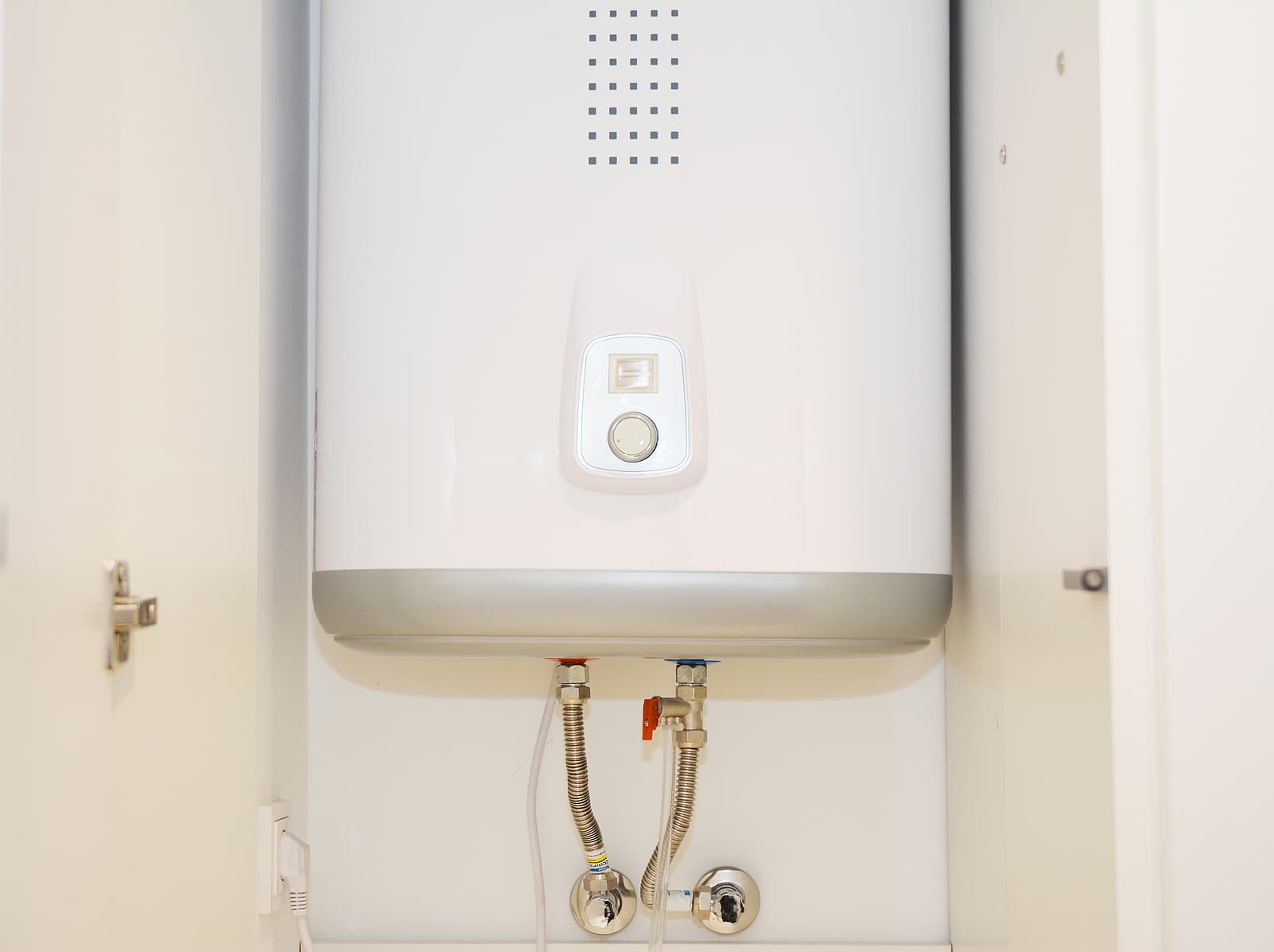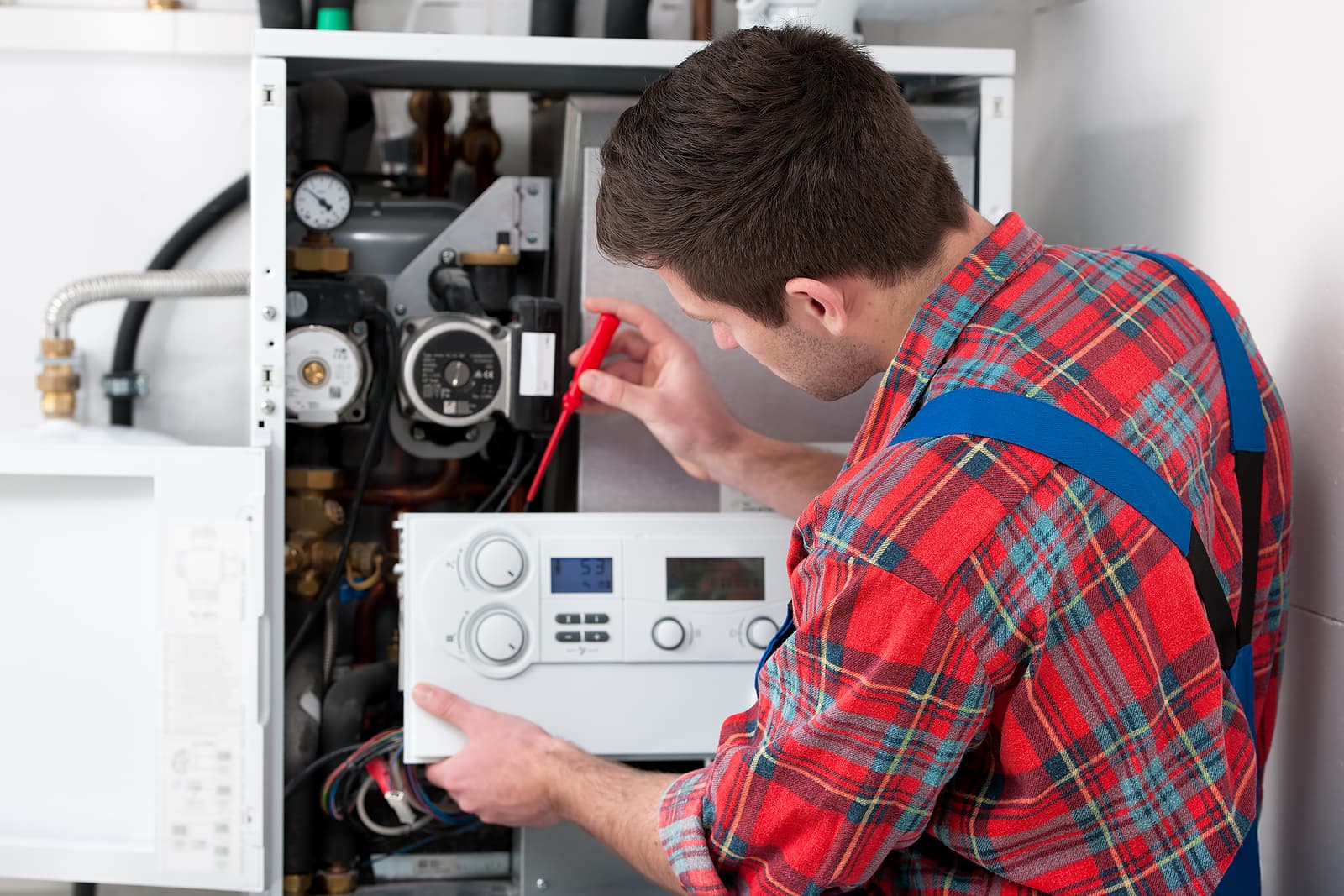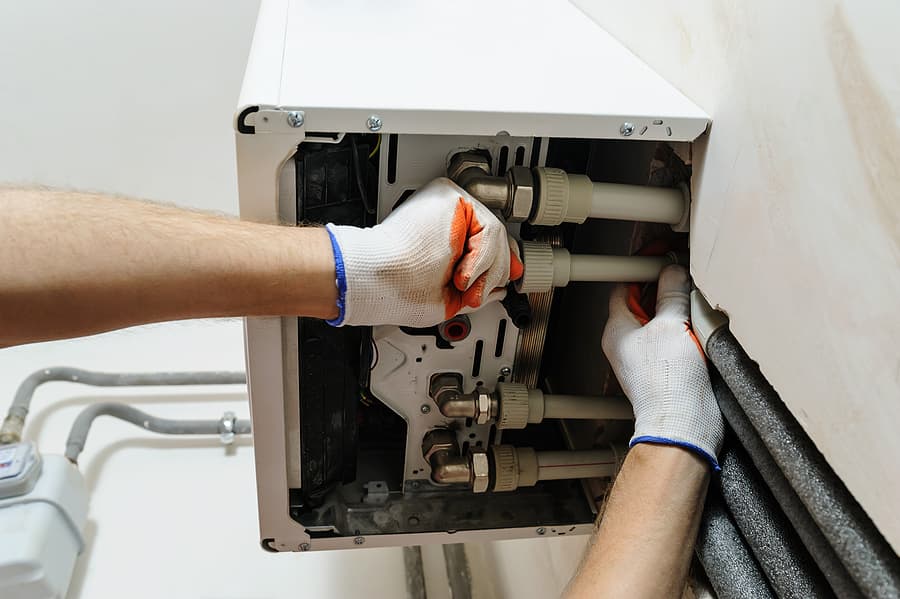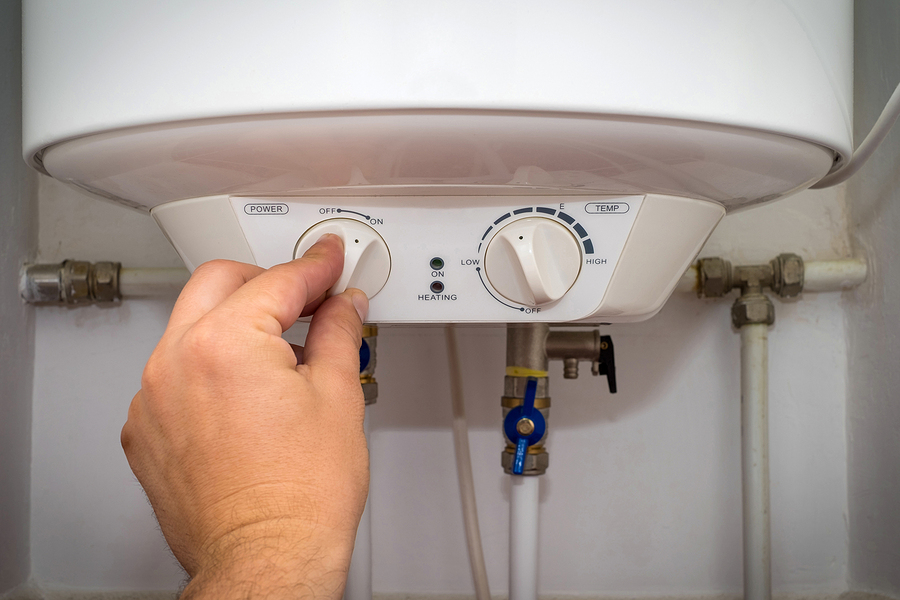
One of the biggest challenges for homeowners, particularly following a bitter winter season, is choosing the right time to install a new boiler.
The right time to replace a boiler is a question of both scheduling and also working out that the benefits of a new boiler outweigh the costs of getting it replaced.
With that in mind, here are answers to both the best time in the year to get a boiler serviced, significantly repaired or replaced, as well as the right time to get rid of an old boiler.
When Is The Best Time Of The Year To Get A Replacement?
The best time to install a new boiler is when it is needed the least, which means that a spring or summer installation often works out best for a lot of people.
Installation times can vary depending on circumstance, but for a typical, uncomplicated like-for-like swap of a combi boiler, it can take as little as four to six hours, assuming the system does not need power flushing and systems such as smart thermostats are already installed.
It can sometimes take several days for more complex jobs, so if you need to go a day or two without hot water, it is probably best to choose a time of the year when you probably can go without.
May to August are the best months for this, and this comes with the added benefit of greater flexibility since boiler engineers tend to be less busy when boilers are not used as often.
When Should You Replace A Boiler At All?
Choosing to replace a boiler at all is typically something a lot of homeowners do not think of. If a boiler is out of sight and out of mind, that is typically a sign that it is working very well. Unless you work on boilers regularly, you only think of your boiler when there is a problem with it.
Typically, the first person to suggest a potential replacement will be your engineer during a repair or annual service, and it might come as a surprise if it is otherwise working well.
Boilers have a stated lifespan of between ten and 15 years, but many last longer than that. However, the older a boiler gets, the less efficient it is due not only to wear and tear but also in relation to efficiency improvements found in new models.
This starts to be felt, assuming no other issues, within 15 years, although if you are already experiencing higher bills, constant leaks and regular repairs, it might be time to ask if a new boiler is worth it.
Similarly, if you are getting spikes of hot and cold water and inconsistencies with the water your boiler is providing, it could be a sign of an underlying issue which could be more expensive to repair than a new boiler would be in the long run.
If your boiler is over a decade old, it is certainly worth investigating whether you would be better off with a new one, and it might be time to examine your energy bills and usage requirements.