
Homeowners are always looking for a way to reduce their energy bills, particularly after electricity and gas prices have soared over the last couple of years. One way to do this is by reducing the flow temperature on the boiler.
Most people know that installing energy-efficient features in the house, including loft insulation, double-glazed windows, LED lighting, and smart showers, can really help reduce household bills. In fact, fitting loft and roof insulation can save as much as £270 a year.
However, these are not the only ways to spend less on energy costs, as having better control of the boiler can also make a big difference to your bank balance.
Reducing flow temperature
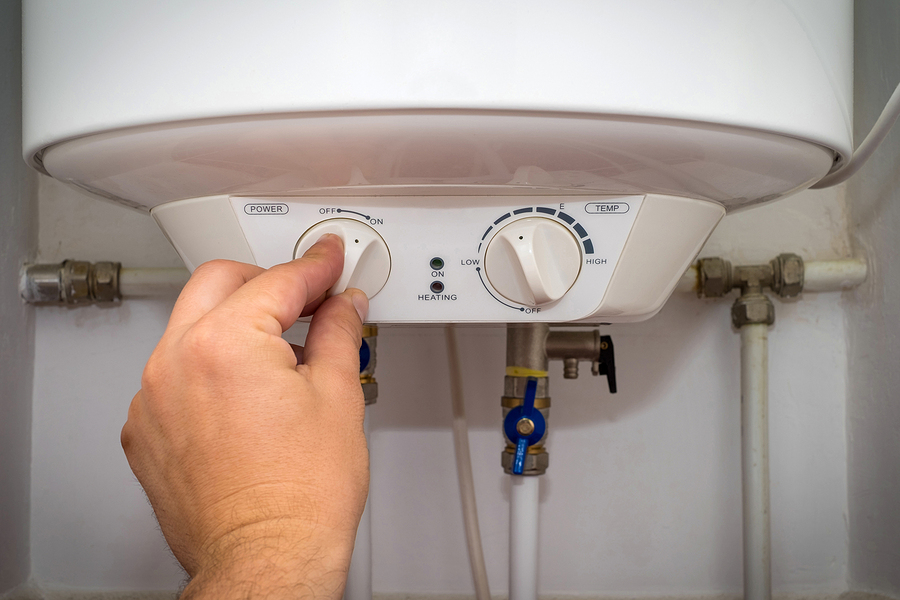
The flow temperature is how hot the boiler needs to heat the water up before it sends it to radiators. Once it has travelled through the radiators, it cools down, and returns to the boiler.
Usually, the flow temperature is set at between 70 and 80C, but this actually does not allow combi boilers to be most efficient.
Instead, reducing the flow temperature means the water that returns to the boiler is also cooler. Therefore, the difference between the flow and return temperatures is smaller, making the system more efficient.
For instance, if the boiler heats the water to 80C and the return temperature is 60C, 20C has been given off to the room. This produces a 80/60 flow, which is too high for the boiler to achieve its ‘condensing mode’.
Reducing the flow temperature to 70C, so the return temperature is 50C and the room is still heated at 20C, will give a 70/50 flow instead. This will kickstart the boiler to work in the condensing mode, recovering heat that can be recycled into the system.
This means less gas is needed to heat up the water, even though your home remains at the same temperature.
For optimal efficiency, the flow temperature should be 60C or lower, so it is worth reducing it if you want to make your boiler use less energy.
How much will this save?
According to the Energy Saving Trust, this could save bill payers between eight and 13 per cent on their gas fees.
The lower the flow temperature is set to, the more they will save. Additionally, those whose homes were very warm before or had a very high flow temperature previously will see bigger savings.
What boiler does this work with?
Reducing the flow temperature works with condensing combi boilers, as these heats up water to warm up the radiators and heat the house.
This could also work with a conventional boiler with a hot water cylinder. However, it can be more difficult to change the flow temperature on these, in which case it is wise to enlist the help of a heating engineer to make sure it is done properly.
Water stored in the cylinder has to be at least 60C to prevent legionella from growing, which can happen if the temperature drops too low.